

I Wish Maddie Could Read the Messages I Receive
Earlier this year, someone asked Chris Coulter to stop sharing photos of his daughter Maddie. Days later, a mother told him she'd let her struggling daughter scroll through them in the car, and found someone who felt like a sister. These are the messages strangers send him every week, what they reveal about who parents tell first, and why he wishes Maddie could read them.
“Do You Have a Minute?” The Conversation Most Managers Aren’t Ready For
A top sales rep closes her manager's door and says her son hasn't been to school in two weeks. Chris Coulter, founder of The MentorWell, walks through five things leaders can do when an employee shares a personal struggle: thank them, listen, ask what they need, leave the reassurance out, and follow up. Plus why this conversation matters for retention, and what it costs when it goes wrong.
When One Person Struggles, Five Others Feel It
When a teenager struggles, the whole circle around them struggles too: parents performing normal at work, siblings who shrink their needs, grandparents who worry twice, and managers guessing at a drop in output. Chris Coulter of The MentorWell counts who's affected, what it costs families and employers, and why earlier awareness shrinks the load everyone carries.
7 Things I Got Wrong About Mental Health as a Business Owner
Chris Coulter co-owned a 70-person office furniture company from 1992 to 2010. Here are seven things he got wrong about mental health at work: calling it an excuse, doubting parents with sick kids, banning remote work, saying "let us know how we can help," ignoring the EAP, pushing through his own depression, and keeping it hidden. What to say when an employee shares a personal struggle.

The Funniest Person in the Cemetery
Maddie died in 2015 at 14. For nearly ten years, her father Chris couldn't think of her without guilt and sadness. Then he started remembering how funny she was: the laugh you could hear across the house, the dating profiles she vetoed, the cottage weeks she spent tormenting her grandma. A father's take on laughing after losing a child, and why her death doesn't get to own her story.
She Used to Tell Me the Number
Your teenager comes home flat. You ask what happened and they say nothing. That can be the literal truth. Chris Coulter remembers when his daughter could name what upset her: a photo that only got forty-two likes. Today the pressure arrives in small pieces a teen can't explain. Here's why hunting for the incident backfires, and a better way to talk to your teenager about mental health.
6 Things Parents Mistake for Laziness That May Be Something Else
Is your teenager lazy, or is something else going on? Chris Coulter looks at six behaviours parents often mistake for laziness, from procrastinating to doing the bare minimum to dropping activities they used to love. Practical ways to respond, what may sit underneath, and how to tell when your teen's behaviour is normal and when it's a change from the kid you know.
They Told a Stranger What They Haven't Told You
About one in seven employees is parenting a child who's struggling, and most will never tell HR. After six months of LifeLine Parent Workshops, Chris Coulter shares what the Teen Signal Check shows about working parents, why 30% are surprised by their result, and what employers can do about working parents' mental health at work before it shows up as absence or a resignation.

5 Lessons Losing a Child to Suicide Taught Me About Parenting
A parent reflects on losing his daughter Maddie to suicide and the lessons that reshaped how he understands teens, connection, and support. The MentorWell was created to give families the steady, caring adults teens need. This story encourages parents to listen early, stay present, and seek support before a crisis.
What Kept Me Here
After my daughter died, there were days I wasn't sure life was worth it. I once wrote a list of thirteen things that kept me going. I padded it. Eight of them held up: laughter, sunshine, moving every day, gratitude, a few people, a purpose, the future, and curiosity. None of them fix anything. On the worst days, one was enough. Then a question worth asking your own teen.
My Dad Asked Me If Life Was Still Worth Living
After my mother died, my father walked into my room, sat down on my bed and asked whether I ever felt life wasn't worth living. I told him yes. I'd felt it after my daughter Maddie died. What followed was the most open conversation we'd ever had, and it taught me something about why almost nobody asks that question, and what happens when somebody finally does.

The Photo That Never Changes
In January 2017, twenty-one months after my daughter Maddie died at fourteen, I wrote about the photos on my fridge. Everyone else's get swapped out at the end of the school year. Hers does not. Nine years on, I'm putting the piece back up unchanged, with one correction: I was wrong about what her brothers were carrying, and wrong about why.
HR Can Build the Programme. HR Can't Make It Safe.
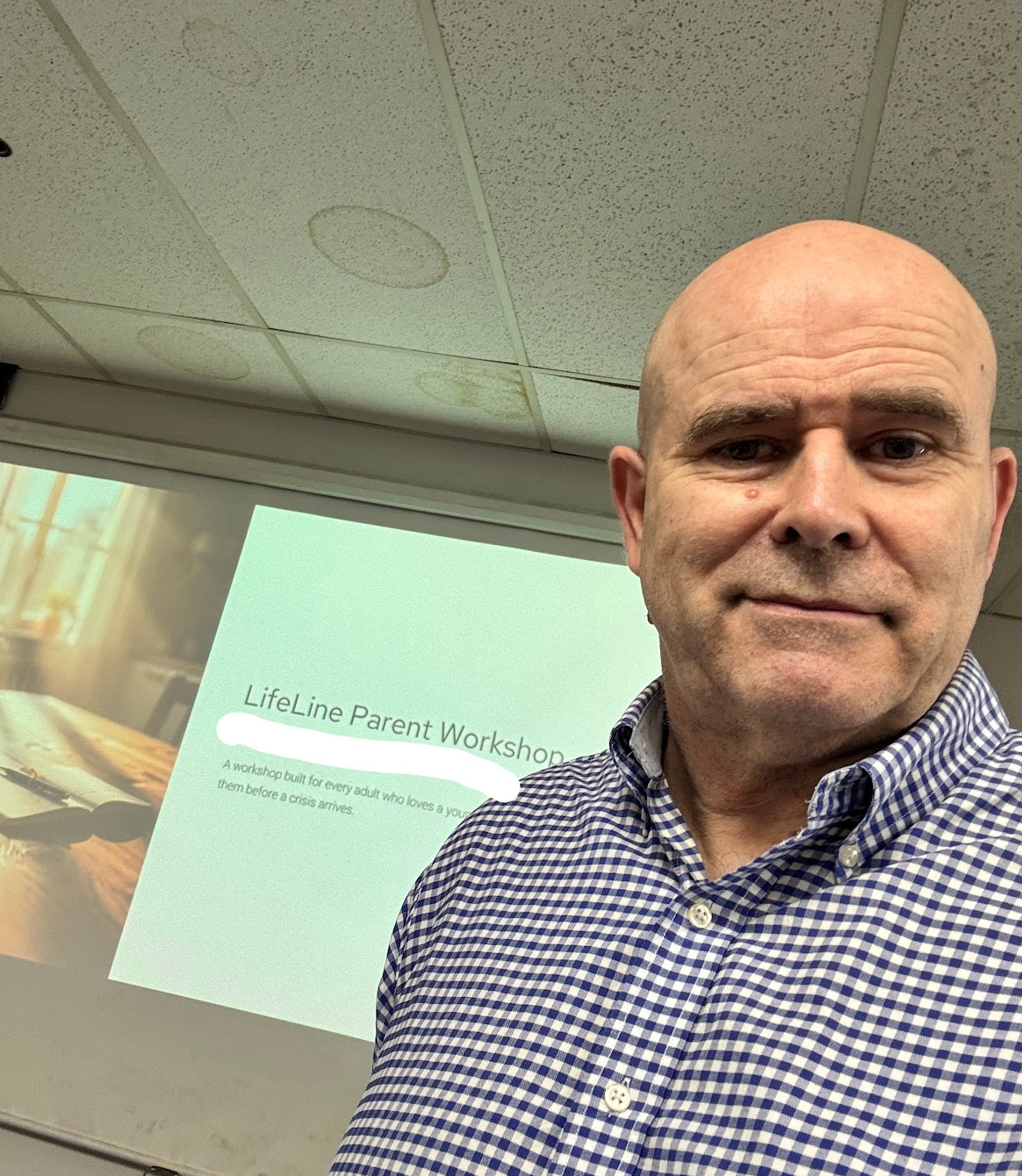
A mental health programme only works if people believe it's safe to use. Chris Coulter, founder of The MentorWell, shows how psychological safety at work gets set at the top: by a CEO who says something true about their own life, or who responds well when a leader discloses a struggle. Includes a real CEO story for leaders and HR teams, and what it costs when good people leave without saying why.
What Happened Last Night Is Sitting in Your 9 A.M. Meeting
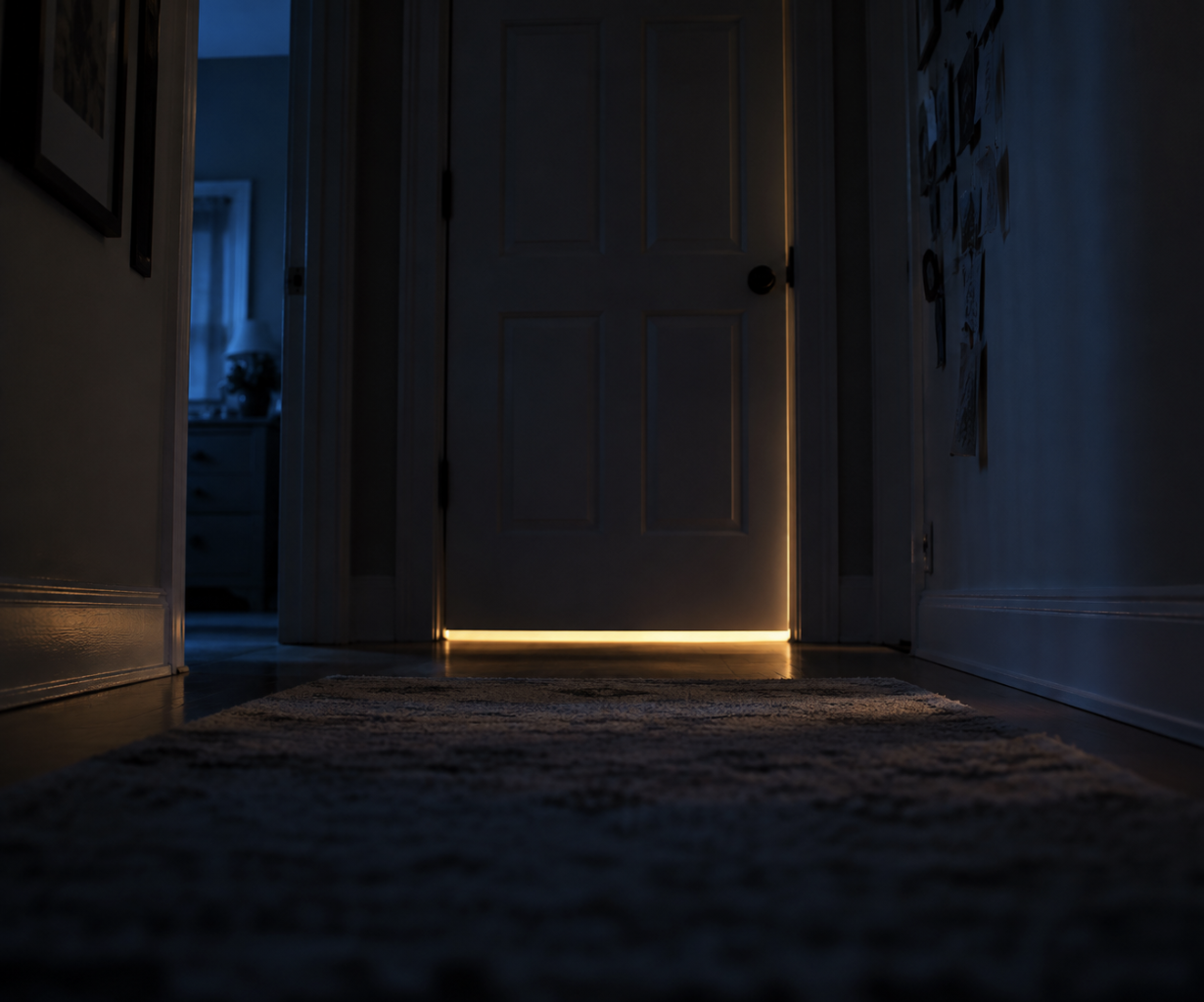
Somebody on your team sat outside their kid's bedroom last night and was on your 9 a.m. call anyway. Gallup now finds more US workers struggling in their lives than thriving. Most will never tell their manager, because they don't believe it's safe. They don't complain. They start looking. And the reason they give in the exit interview is never the real one.

Please Don't Remember My Daughter for the Way She Died
If you know Maddie Coulter because of how she died, you know the least important thing about her. She vetted my dating profiles. She ran a One Direction fan club and had 1,500 followers in a week. She was funny and loud and right more often than I was comfortable with. This is about what happens to a person's biography after they die, and a request from her father to remember the life instead.

I’d Give Almost Anything to Trip Over Her Shoes Again
I used to ask my daughter to clean up the shoes at our front door. Today I would give almost anything to trip over them. This is about the small arguments most parents want to be rid of, what I got wrong about a wet towel on a bedroom floor, and what my thirteen year old understood before I did. For any parent standing in a hallway after a door has closed, wondering what they did wrong.

I’m Starting to Forget Things About My Daughter. And I Hate It.
Eleven years after losing his 14-year-old daughter Maddie, Chris Coulter is confronting another painful part of grief: memories fading. From shoes at the front door to Adele in the shower, he shares the ordinary moments he refuses to let disappear and why Maddie’s life deserves to be remembered for far more than the way it ended.
I Wrote the Warning Signs for Parents. Then I Counted 11 in Myself.
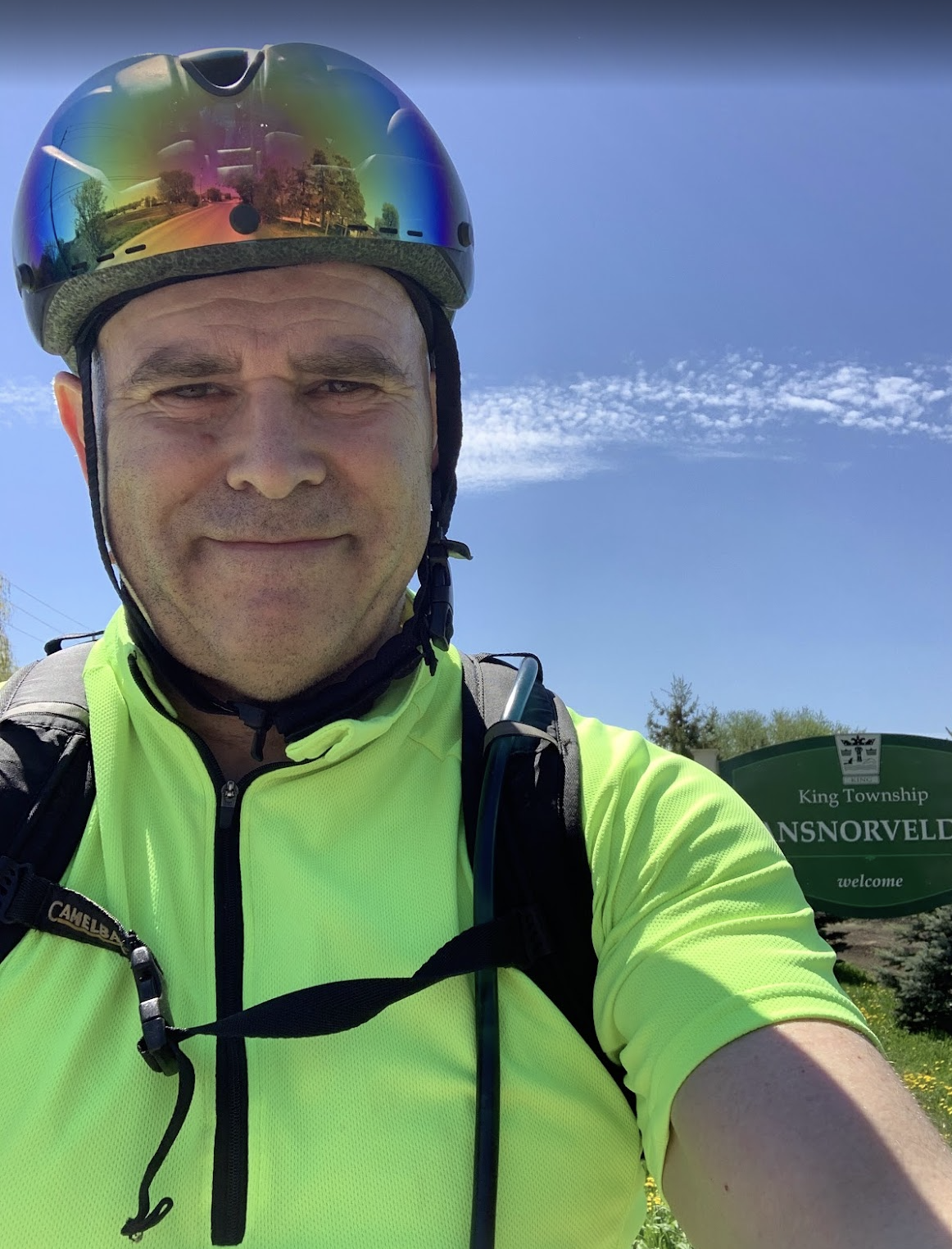
Seven signs your teenager might be struggling, read back by the man who wrote them. The adult version of that list runs to fourteen items and the first seven are the same seven. Chris Coulter on cycling that quietly stopped, four hours of sleep for years, the explanation waiting for any man in his fifties who goes quiet, and why recognizing something and admitting it applies to you are two different things.
My Teenager Won't Talk to Me: 6 Ways to Help Them Open Up
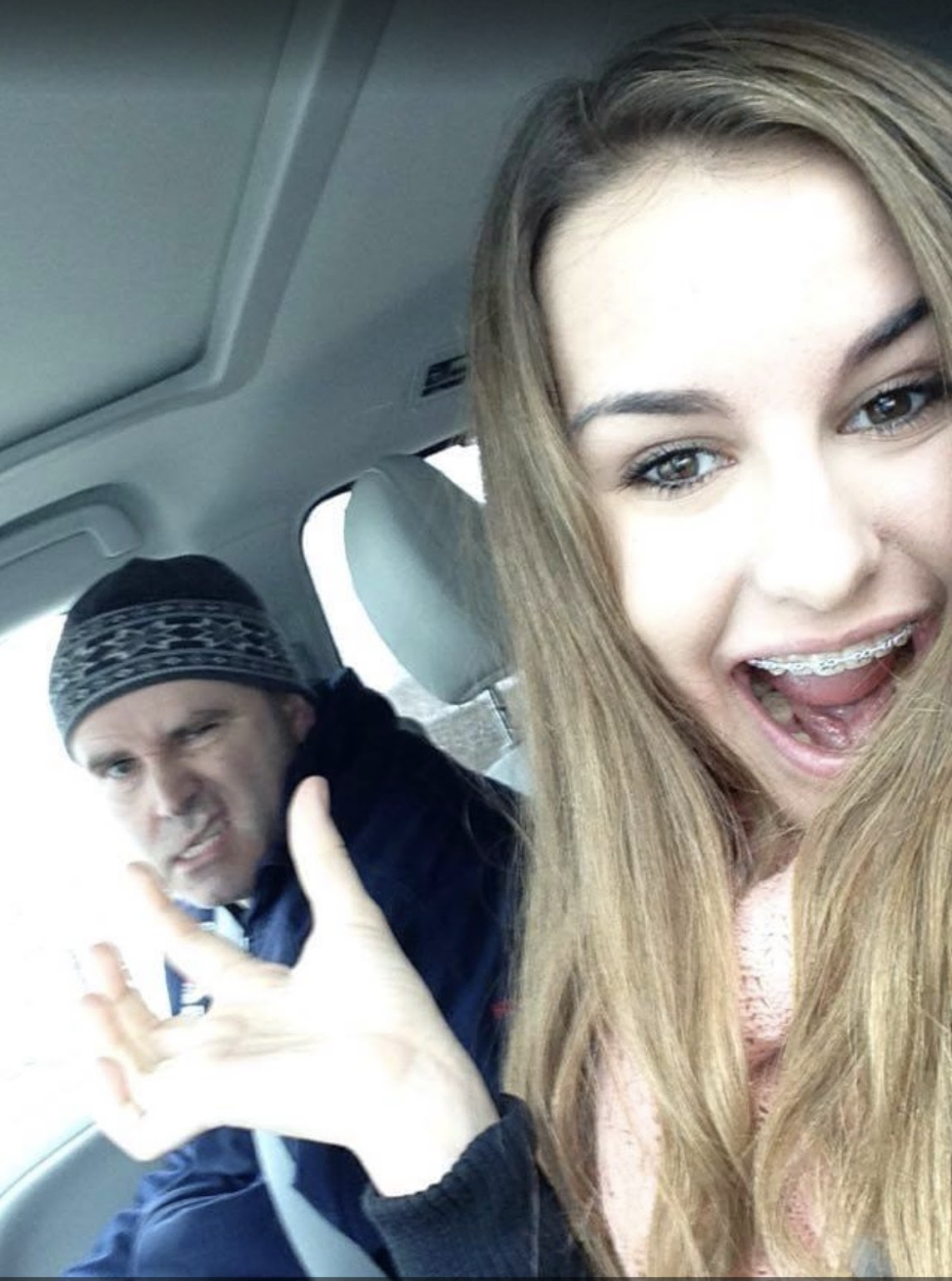
Your teenager says they're fine. You know something's off. Six ways to make the first step smaller when your teen won't talk to you or anyone else, including why letting someone else be first is not a failure, and the one reassurance most parents offer that they will end up breaking. Plus what to do when you've tried everything and your kid still gives you nothing.
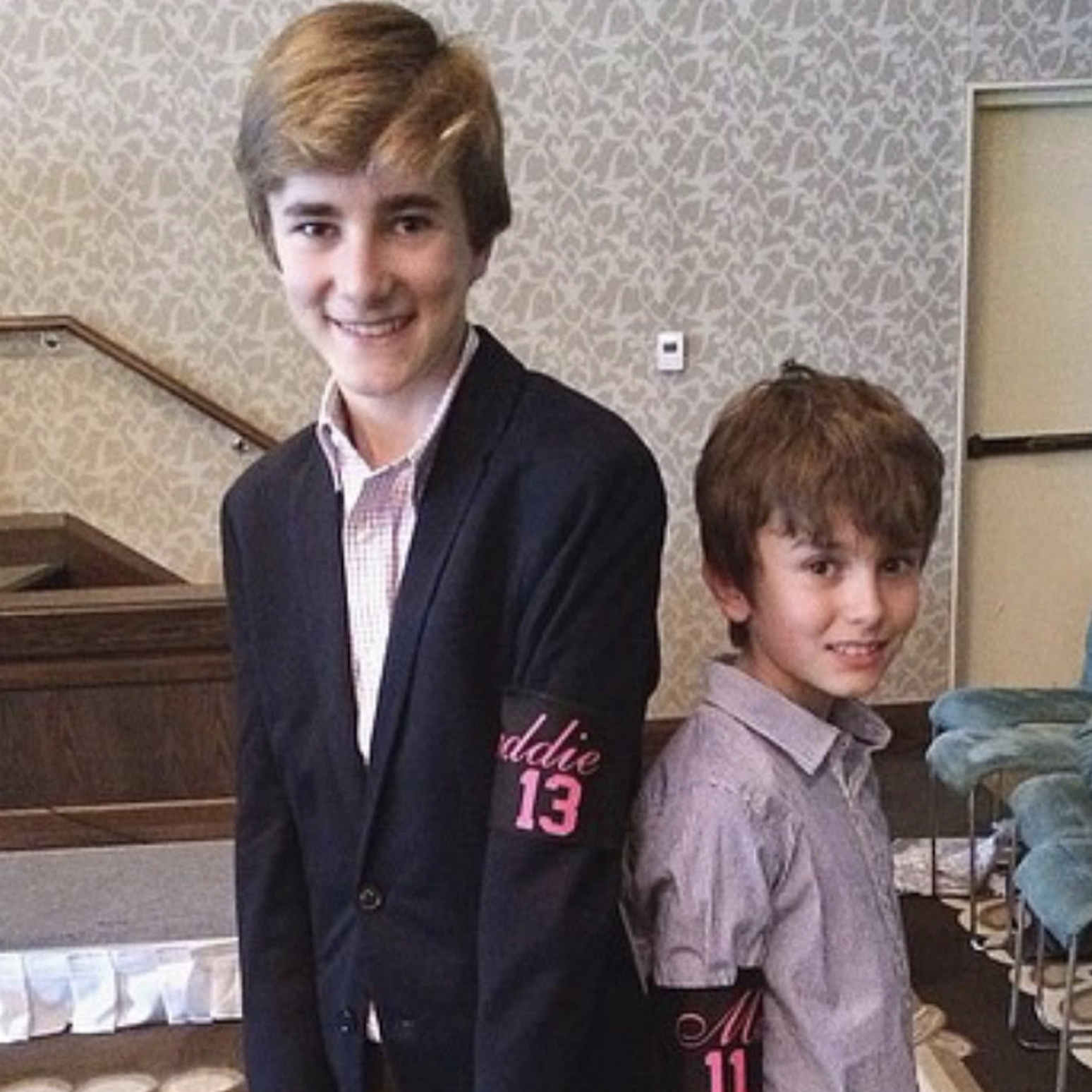
Nobody Asks How the Brothers Are
When my daughter died, her brothers were 13 and 9. Their hockey teams made black armbands with both boys' numbers on them. There was no school in that neighbourhood where they walked in as two kids nobody had heard about. This is about surviving siblings, what a grieving parent misses while they're inside their own grief, and the one thing to say to a family that has other children at home.